Toddler Nightmares: A Calm Script for Parents
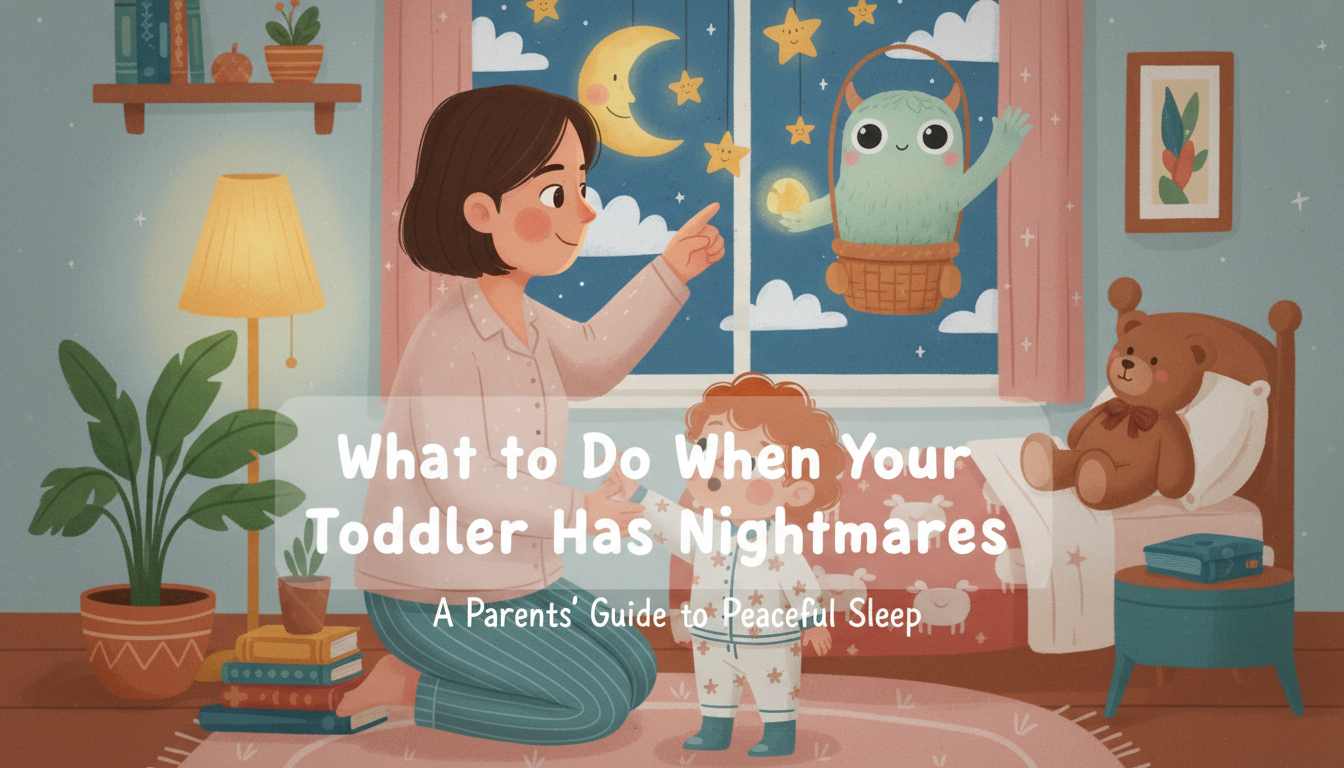
What to Do When Your Toddler Has Nightmares: Comfort, Calm, and Better Bedtimes
Nightmares can jolt a toddler awake scared, shaky, and desperate for reassurance—often leaving parents unsure whether to soothe, stay, or reset boundaries. A steady response, a calming bedtime routine, and a few daytime tweaks can reduce fear and help everyone sleep more soundly.
Nightmares in toddlers: what they are and why they happen
Nightmares are scary dreams that typically show up in the second half of the night, when dreaming is more vivid. Unlike brief sleep noises or restless tossing, a nightmare usually wakes a toddler fully—eyes open, body tense, and clearly looking for a parent.
Common triggers include overtiredness, big life changes (a new daycare, moving rooms, a new sibling), overstimulating screens, illness, and anxious feelings toddlers can’t yet name. At this age, imagination is exploding, so they may blend real events, stories, and everyday fears into a very convincing dream scene.
A one-off nightmare is normal. If they start happening often, treat it like useful information: something about schedule, stress, or the sleep environment may need a small adjustment. For an overview of how pediatric experts describe nightmares and related sleep disruptions, see the American Academy of Pediatrics resources at HealthyChildren.org.
Nightmares vs. night terrors: spotting the difference
It’s easy to lump all “scary night episodes” together, but the difference matters because the best response changes.
Quick guide: Nightmare or night terror?
| Clue | Nightmare | Night terror |
|---|---|---|
| Time of night | Often later night/early morning | Often within first 1–3 hours |
| Child fully awake? | Yes | No (appears awake but isn’t) |
| Can be comforted? | Usually yes | Usually not in the moment |
| Memory next day | Often remembers some details | Usually no memory |
| Best parent response | Comfort, reassure, brief reset to sleep | Keep safe, stay calm, wait it out |
With nightmares, toddlers wake up and seek connection. With night terrors, they can look awake (sitting up, crying, even thrashing), but they aren’t truly responsive and typically won’t remember it. Night terrors often pass faster when you keep stimulation low and focus on safety. If episodes are frequent, intense, or potentially dangerous (sleepwalking, injuries), discuss what you’re seeing with your pediatrician. You can also read more background at the Sleep Foundation.
The first 5 minutes after a nightmare: a calm, repeatable script
When a toddler is frightened at night, the goal is “safe and sleepy,” not “fully processed.” A simple script helps you stay consistent—even at 2 a.m.
Step-by-step
- Arrive promptly, keep things dim. Use low light and a soft voice so the brain doesn’t shift into full alert mode.
- Offer physical reassurance (if welcomed). A hug, a hand on their back, or sitting close. Try 3–5 slow breaths together: “In… out…”
- Validate with short phrases. “That was scary. You’re safe. I’m here.” Avoid long explanations or lots of questions.
- Do a brief reset. A sip of water, a quick bathroom trip if needed, then back to bed. Keep it predictable and short.
- Return to the usual sleep plan. Comfort is appropriate; escalating “extras” (snacks, play, moving to the couch) often turns into a new expectation unless illness or special circumstances apply.
If your toddler asks for details (“Is the monster still here?”), anchor them in reality without debating the dream: “Monsters aren’t in our house. You’re in your room, and I’m right here.” Then move back to the next step in the routine.
Bedtime setup that prevents nightmares: small changes with big payoff
Prevention is often less about one perfect trick and more about smoothing the whole evening so sleep stays deeper and steadier.
Daytime strategies that lower nighttime fear
What to avoid after a nightmare
When to ask for help
A practical bedtime toolkit for parents who want a plan
For a structured, parent-friendly resource, see: What to Do When Your Toddler Has Nightmares | Ebook Guide for Parents | Practical Comforting Tips & Bedtime Solutions.
If bedtime disruptions happen while traveling or during big schedule shifts, having a simple household “grounding routine” can help parents stay steady. Some families also like keeping a separate, easy-to-skim digital reference for travel-related stress and transitions: The Smart Traveler’s Guide to Global Etiquette | Digital Download eBook for Cultural Tips, Travel Etiquette, and International Manners.
FAQ
Should a toddler sleep in the parents’ bed after a nightmare?
It can bring short-term comfort, but it can also become a long-term habit if it happens repeatedly. A consistent plan usually works best: offer brief comfort in their room, help them settle, and gradually reduce how long you stay—while allowing exceptions for illness, travel, or unusually hard nights.
How can nightmares be reduced without making bedtime a battle?
Keep bedtime predictable and calm, and consider moving bedtime earlier if overtiredness is a pattern. Shift screens to earlier in the day, use gentle reassurance at lights-out, and offer limited choices (pajamas, one book, door slightly open) to build cooperation without negotiations.
When are nightmares a sign of something more serious?
Red flags include frequent intense episodes, significant daytime anxiety, signs of trauma, breathing issues like snoring or pauses, injuries, or sleepwalking. If you’re seeing these patterns or a sudden change in behavior, it’s a good reason to check in with a pediatrician.











Leave a comment