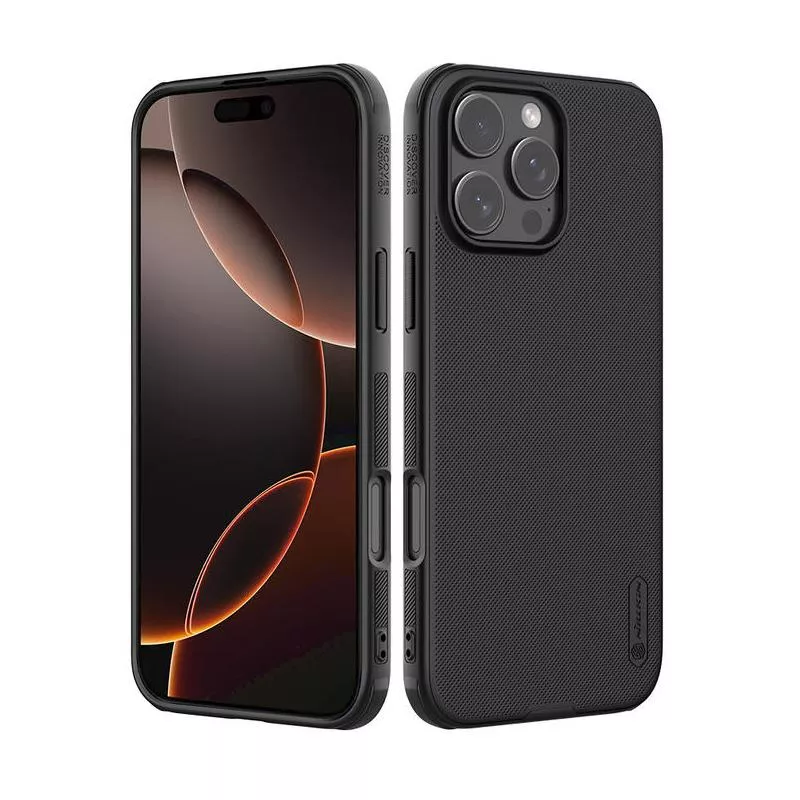
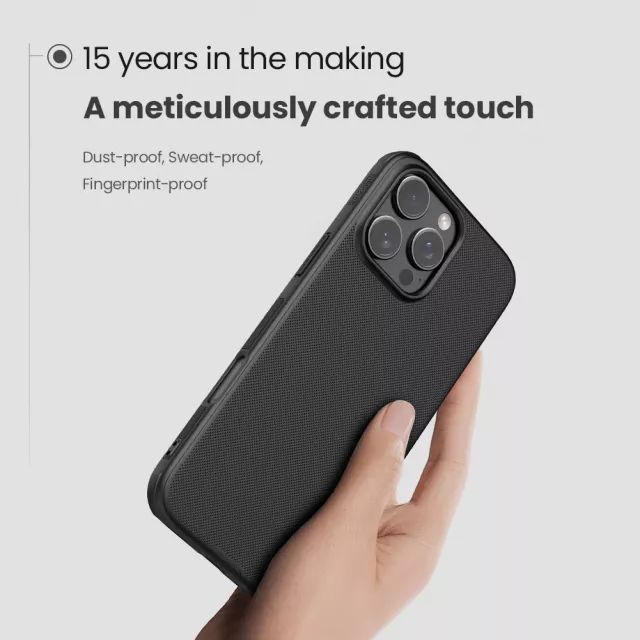
Unparalleled Protection Meets Sophisticated Design
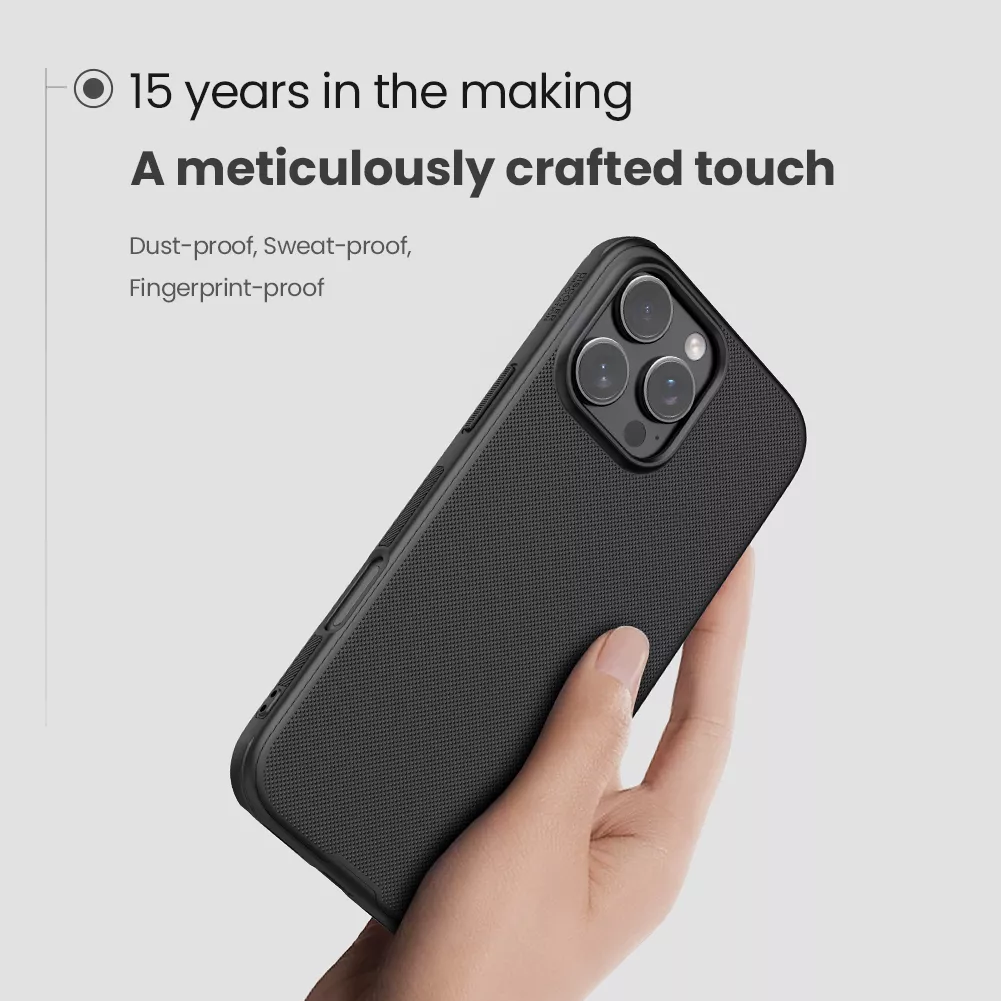
Elevate your iPhone 16 Pro Max experience with the Shockproof Matte Back Case, designed exclusively for Apple enthusiasts who value both style and functionality. Crafted with precision, this case combines cutting-edge protection with a sleek matte finish to keep your device safe and stunning at all times. Perfect for everyday use or demanding environments, this case is a must-have accessory for safeguarding your investment.
Features That Set This Case Apart
This case is engineered to meet the highest standards of durability and style, featuring:
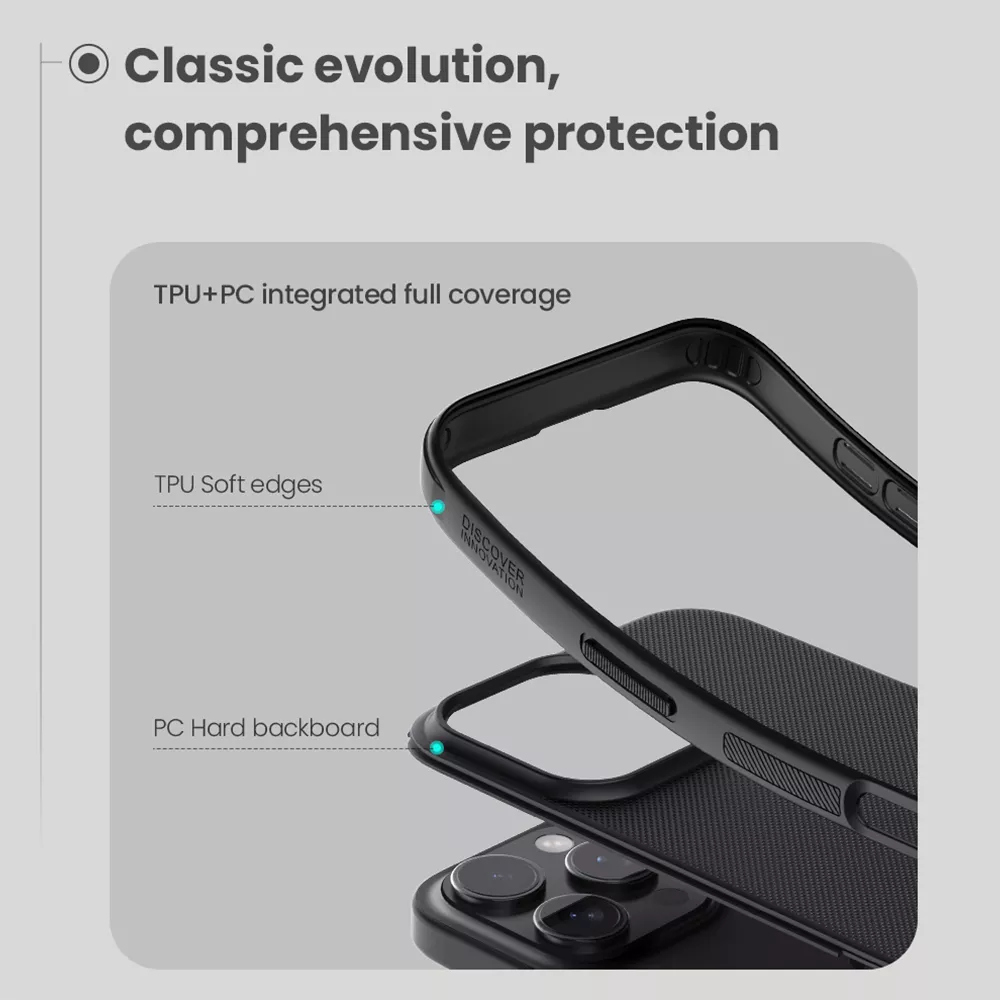
- PC+TPU Dual Material: The perfect blend of a hard PC surface and soft TPU edges offers robust protection without compromising on comfort.
- Shockproof Design: Reinforced airbag corners absorb impacts, reducing the risk of damage from accidental drops.
- Scratch and Bump Resistant: The hard surface resists scratches and protects your phone from everyday wear and tear.
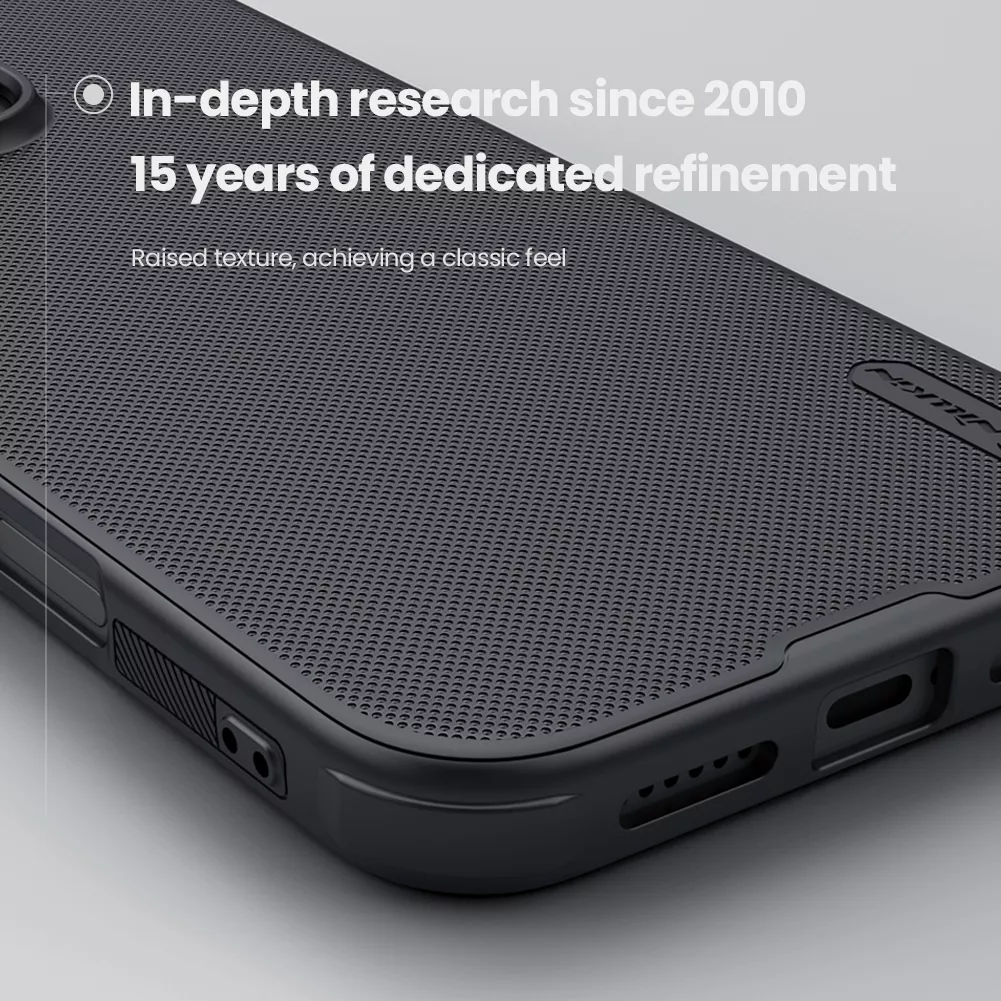
- Anti-Slip and Dustproof: The matte texture ensures a firm grip and keeps your phone clean and free from fingerprints.
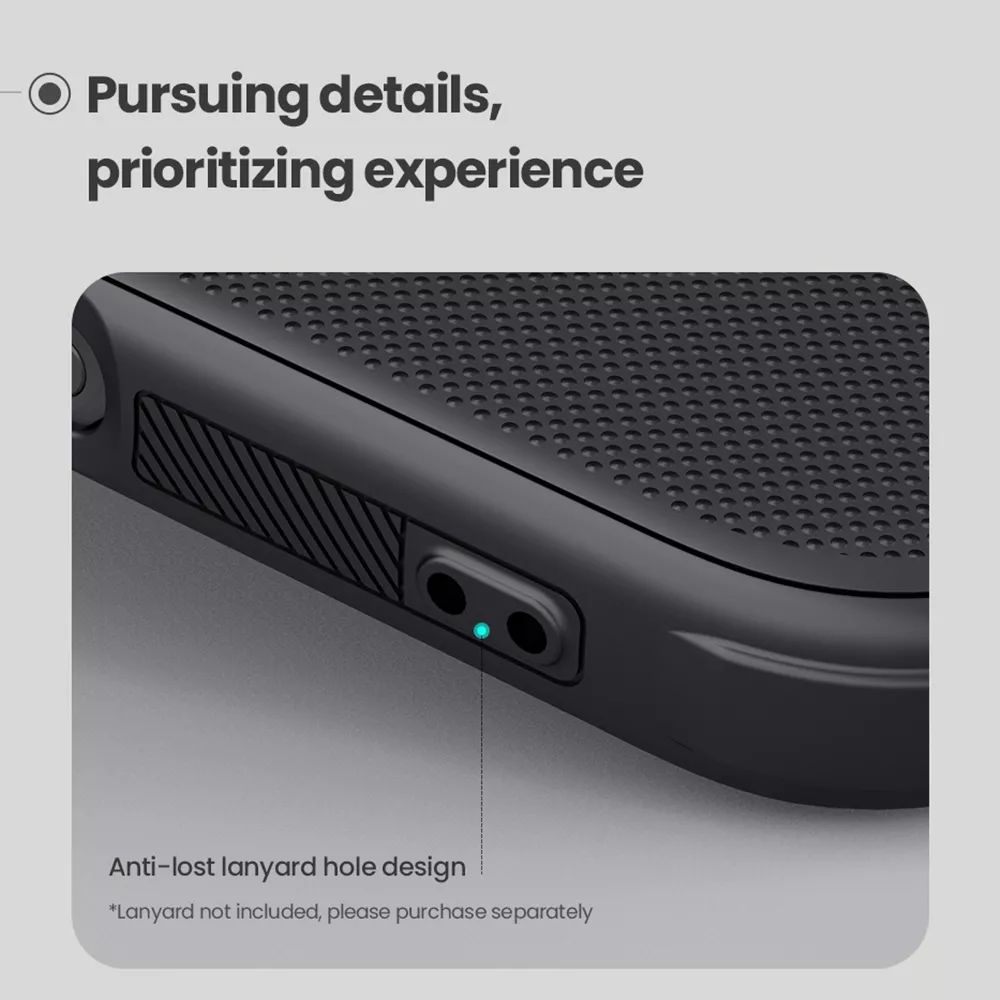
- Precise Fit: Real machine molding guarantees accurate cutouts and responsive buttons for seamless functionality.
Why Choose This Case?
Unlike ordinary cases, this Shockproof Matte Back Case is a game-changer. It’s perfect for anyone who prioritizes protection without sacrificing aesthetics. Whether you’re commuting, working out, or enjoying outdoor adventures, this case delivers superior drop resistance, scratch prevention, and a dust-free finish. The easy-to-clean matte surface ensures your phone looks pristine in every situation.
Benefits You’ll Love
- Full Coverage Protection: Designed for complete peace of mind, no matter where life takes you.
- Lightweight Yet Sturdy: Provides robust defense without adding bulk to your phone.
- Effortless Installation: Soft TPU edges make it easy to snap on or remove the case.
- Elegant Aesthetic: A sleek matte finish enhances your iPhone’s premium design.
- Enhanced Grip: The anti-slip texture ensures your phone stays securely in your hand.
Make It Yours Today
Don’t settle for anything less when it comes to protecting your iPhone 16 Pro Max. Invest in the Shockproof Matte Back Case and enjoy unbeatable protection, superior design, and a premium feel. Order yours now and give your phone the protection it deserves!
We are proud to offer international shipping services that currently operate in over 200 countries and islands world wide. Nothing means more to us than bringing our customers great value and service. We will continue to grow to meet the needs of all our customers, delivering a service beyond all expectation anywhere in the world.
How do you ship packages?
Packages from our warehouse in China will be shipped by ePacket or EMS depending on the weight and size of the product. Packages shipped from our US warehouse are shipped through USPS.
Do you ship worldwide?
Yes. We provide shipping to over 200 countries around the world. However, there are some locations we are unable to ship to. If you happen to be located in one of those countries we will contact you.
What about customs?
We are not responsible for any custom fees once the items have shipped. By purchasing our products, you consent that one or more packages may be shipped to you and may get custom fees when they arrive to your country.
How long does shipping take?
Shipping time varies by location. These are our estimates:
| Location | *Estimated Shipping Time |
| United States | 10-30 Business days |
| Canada, Europe | 10-30 Business days |
| Australia, New Zealand | 10-30 Business days |
| Central & South America | 15-30 Business days |
| Asia | 10-20 Business days |
| Africa | 15-45 Business days |
Do you provide tracking information?
Yes, you will receive an email once your order ships that contains your tracking information. If you haven’t received tracking info within 5 days, please contact us.
My tracking says “no information available at the moment”.
For some shipping companies, it takes 2-5 business days for the tracking information to update on the system. If your order was placed more than 5 business days ago and there is still no information on your tracking number, please contact us.
Will my items be sent in one package?
For logistical reasons, items in the same purchase will sometimes be sent in separate packages, even if you've specified combined shipping.
If you have any other questions, please contact us and we will do our best to help you out.
Order cancellation
All orders can be cancelled until they are shipped. If your order has been paid and you need to make a change or cancel an order, you must contact us within 12 hours. Once the packaging and shipping process has started, it can no longer be cancelled.
Refunds
Your satisfaction is our #1 priority. Therefore, you can request a refund or reshipment for ordered products if:
- If you did not receive the product within the guaranteed time( 45 days not including 2-5 day processing) you can request a refund or a reshipment.
- If you received the wrong item you can request a refund or a reshipment.
- If you do not want the product you’ve received you may request a refund but you must return the item at your expense and the item must be unused.
We do not issue the refund if:
- Your order did not arrive due to factors within your control (i.e. providing the wrong shipping address)
- Your order did not arrive due to exceptional circumstances outside the control of valuablegoodsgalaxy.shop (i.e. not cleared by customs, delayed by a natural disaster).
- Other exceptional circumstances outside the control of https://valuablegoodsgalaxy.shop
*You can submit refund requests within 15 days after the guaranteed period for delivery (45 days) has expired. You can do it by sending a message on Contact Us page
If you are approved for a refund, then your refund will be processed, and a credit will automatically be applied to your credit card or original method of payment, within 14 days.
Exchanges
If for any reason you would like to exchange your product, perhaps for a different size in clothing. You must contact us first and we will guide you through the steps.
Please do not send your purchase back to us unless we authorise you to do so.
Customer Reviews
There are no reviews yet