Open Pet Adoption Explained: What It Means and How It Works
What does open pet adoption mean?
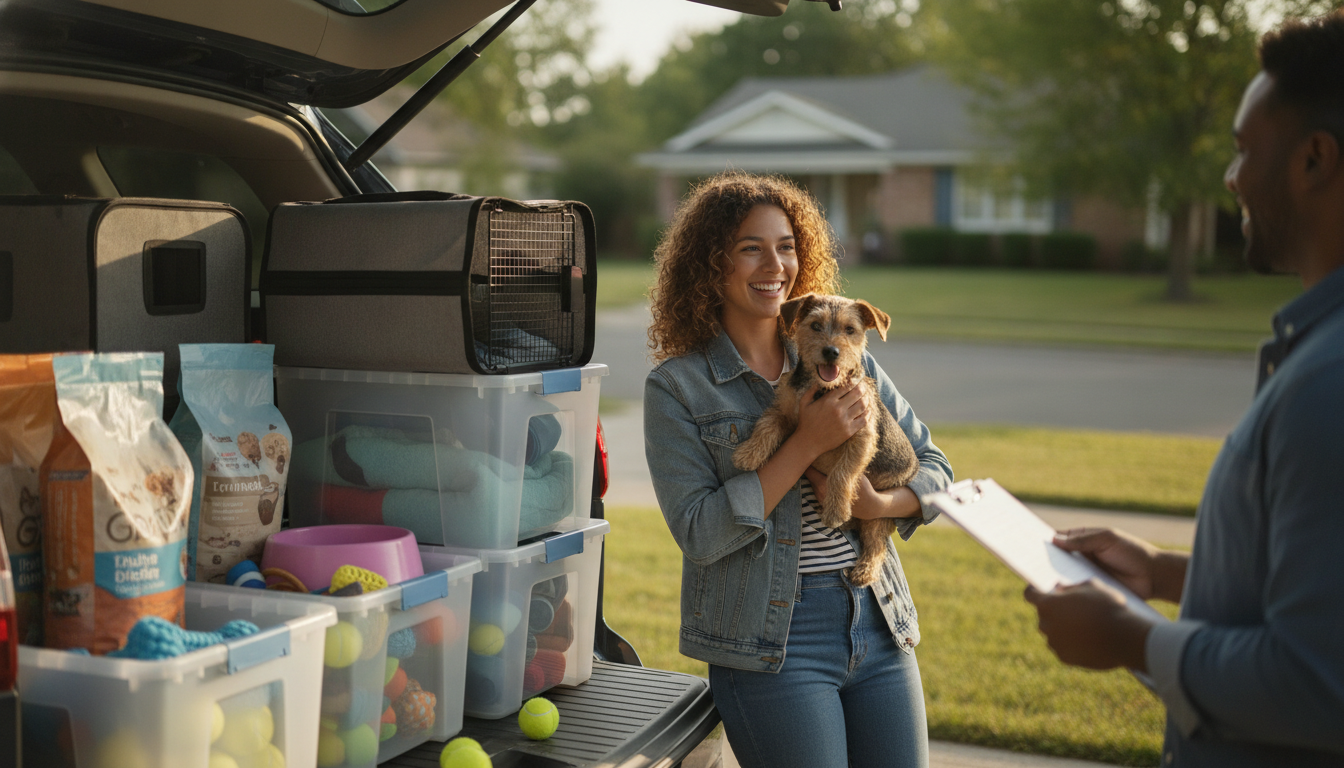
Open pet adoption means placing a pet with the focus on finding a safe, stable match rather than “passing” a rigid checklist. Instead of automatically turning someone away for a single factor (like renting, having children, or working full-time), shelters and rescues use a conversation-based approach to understand a household’s situation, set realistic expectations, and offer support that helps the adoption succeed.
How it works in practice
With open adoption, the application may still ask about lifestyle, home setup, other pets, and experience—but the goal is problem-solving, not gatekeeping. Staff typically discuss the animal’s needs (energy level, training, medical care, behavior quirks) and the adopter’s routine, then talk through solutions. For example, if a dog needs exercise and the adopter works long shifts, the conversation may include dog walkers, daycare, or choosing a lower-energy pet.
What open adoption is not
Open adoption doesn’t mean “no screening.” Responsible organizations still prioritize safety and welfare. They may verify identity, discuss veterinary care plans, confirm landlord permissions when relevant, and ensure the home environment is appropriate for the specific animal. The difference is that decisions are based on the overall match and the adopter’s willingness and ability to meet the pet’s needs—often with guidance—rather than a one-size-fits-all rule.
Why many shelters use it
Open adoption aims to reduce unnecessary barriers and help more animals find lasting homes. By treating adoption as a partnership, organizations can better educate adopters, encourage honest communication, and address challenges early—factors that can lower the risk of returns and improve long-term outcomes.
How to prepare if you’re considering adoption
Going into an open adoption conversation with clear details helps: daily schedule, budget for food and vet care, training plans, and how you’ll introduce a new pet to kids or existing animals. A practical way to get organized is to use a readiness checklist and planning tools before you visit a shelter. See the full guide here: Pet adoption readiness workbook and printable checklist.
FAQ
What should I bring or plan for before adopting a pet?
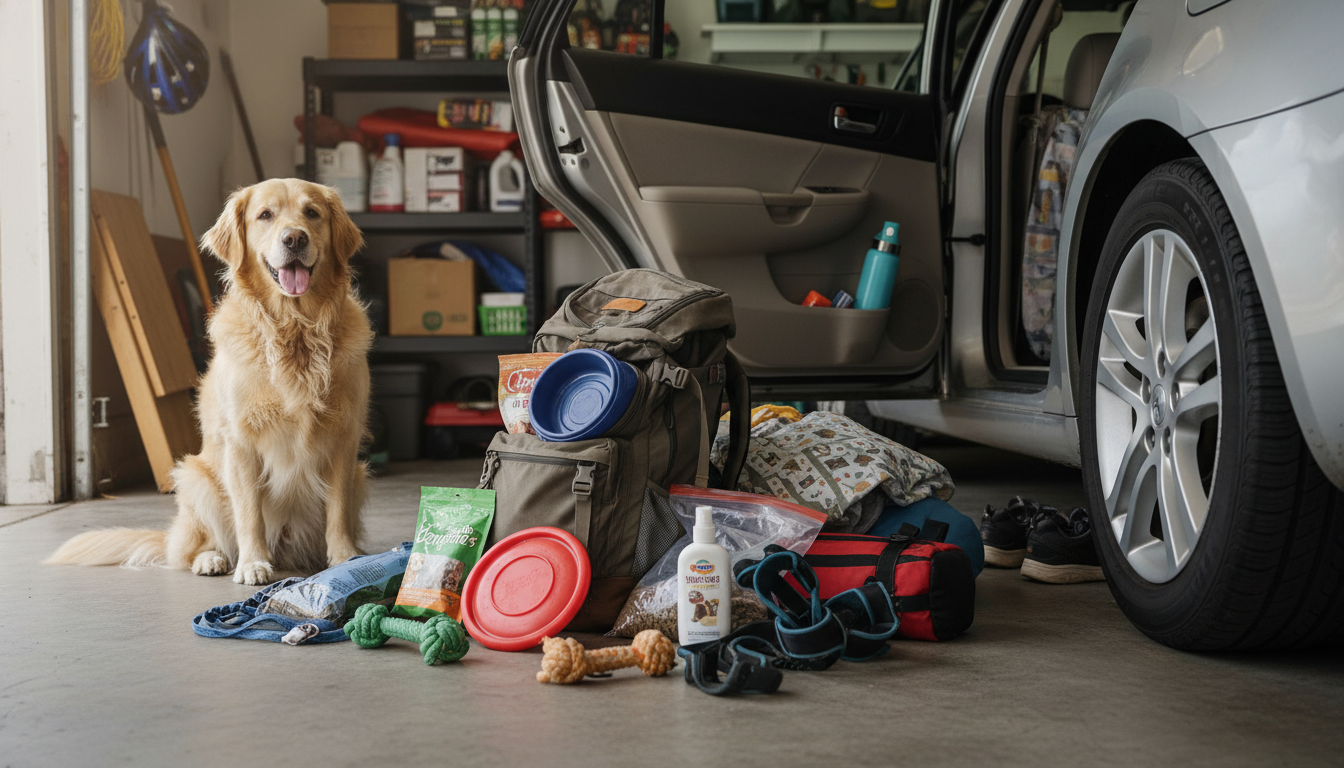
Plan your daily routine, budget for ongoing care, and where the pet will sleep and eat. Bring a photo ID and be ready to discuss your home setup, other pets, and how you’ll handle training and veterinary care.









Leave a comment