Calm Your Mind Fast: Breathing, Grounding, and Focus
How can I calm my mind?
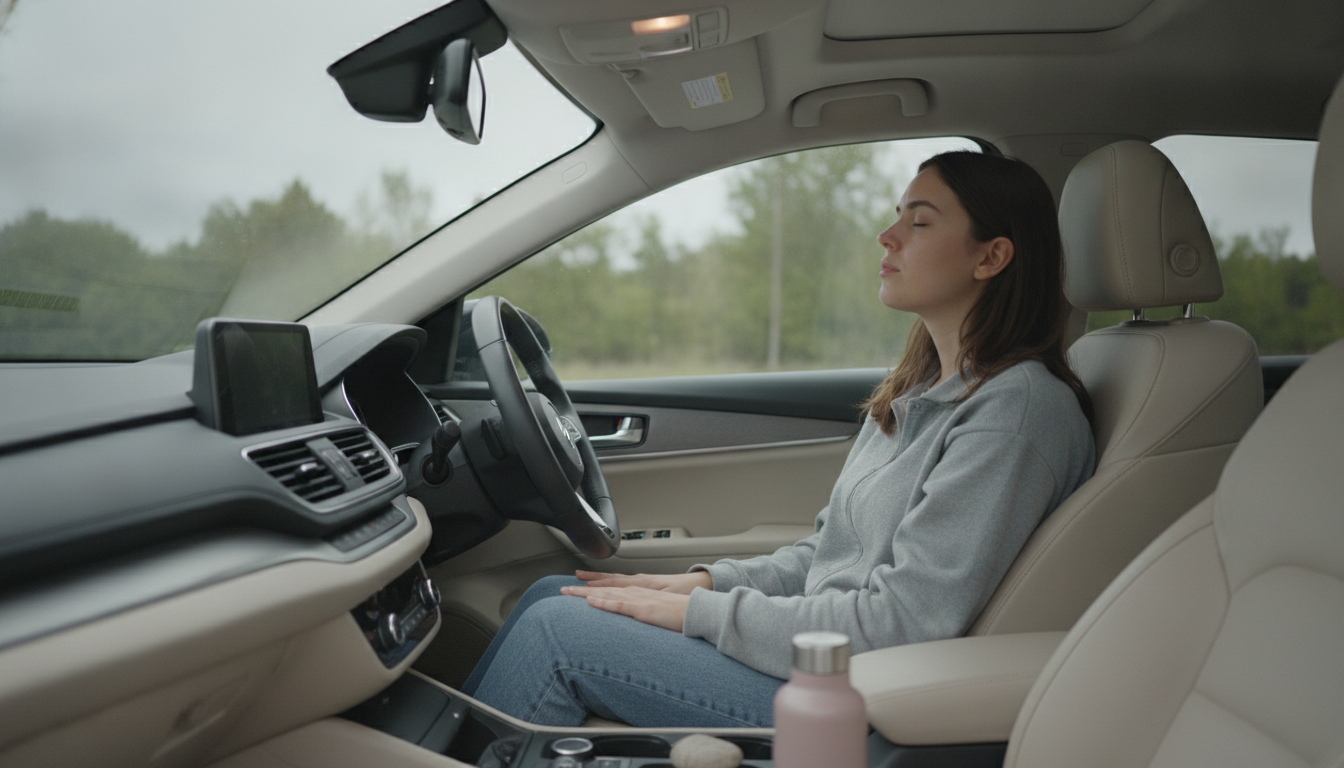
A calm mind usually comes from giving your nervous system a clear signal that you’re safe right now. When thoughts race, the fastest path is often physical: slow your breathing, soften muscle tension, and gently narrow your focus to something simple and steady.
Try a 60-second reset
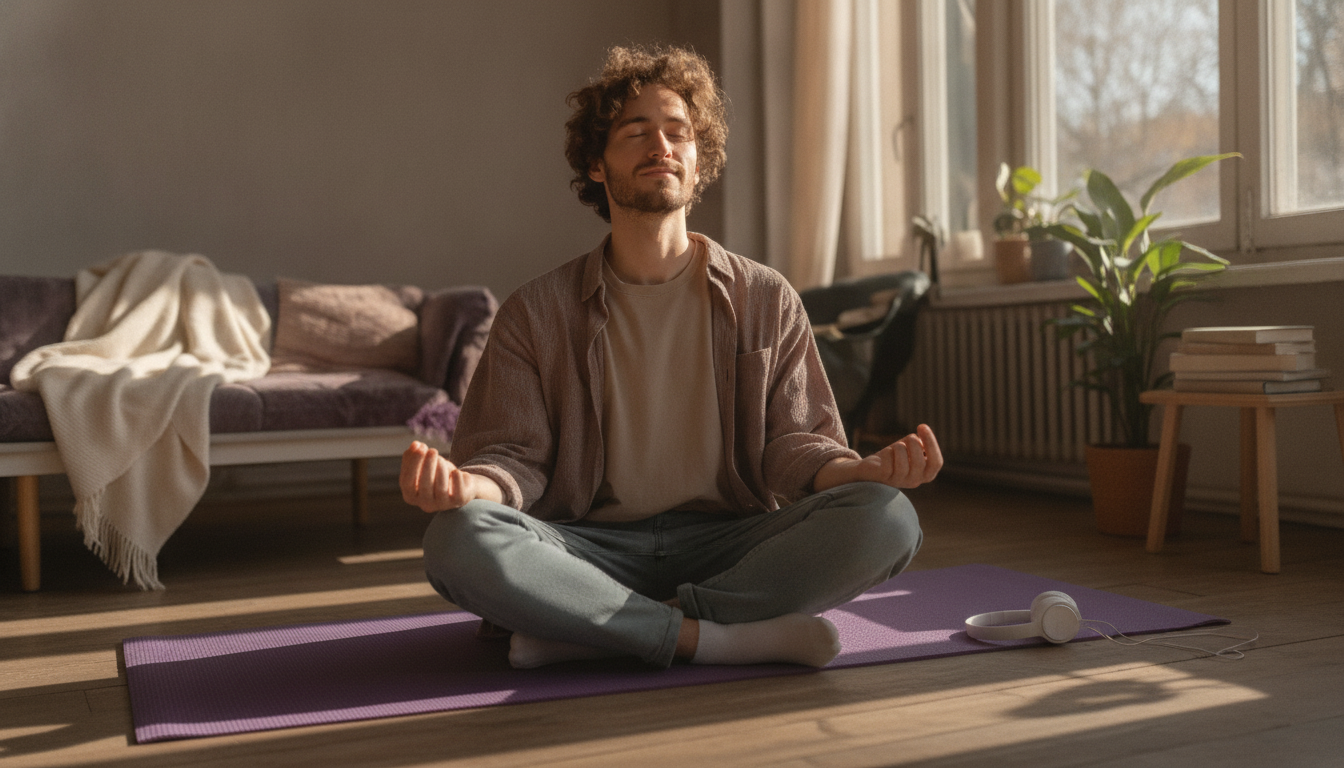
Sit comfortably and place one hand on your chest and one on your belly. Inhale through your nose for a count of 4, exhale slowly for a count of 6. Repeat 6–8 rounds. A longer exhale helps dial down the body’s stress response and makes it easier for thoughts to unclench.
Use a grounding “5-4-3-2-1” check-in
If your mind keeps jumping, anchor it to your senses. Name 5 things you see, 4 things you feel, 3 things you hear, 2 things you smell, and 1 thing you taste. This shifts attention out of worry loops and back into the present.
Give your brain a single, gentle task
Pick one tiny focus point for 2 minutes: the feeling of air at your nostrils, the rise and fall of your belly, or a quiet word like “easy” on the exhale. When your mind wanders (it will), return without scolding yourself. That return is the skill.
Try guided meditation when you need support
On days when silence feels too big, guided audio can provide structure—breathing cues, calming imagery, and a steady voice to follow. For a step-by-step option designed to ease anxious spirals, visit this guide: guided meditation audio course for anxiety relief and a calmer mind.
Small habits that make calm easier
Calm builds faster when basics are covered: drink water, eat something with protein, and take a short walk or do a few stretches to discharge tension. If your mind tends to race at night, write a quick “worry list” plus one next step for each item, then set it aside until tomorrow.
FAQ
What should I do when my anxiety is worse at night?
Dim lights, avoid scrolling, and do 5–10 minutes of slow breathing with a longer exhale. If thoughts keep looping, jot them down and choose one small action to handle tomorrow so your brain doesn’t feel like it has to keep rehearsing.










Leave a comment