Zero-Waste Travel Packing Checklist for Eco Trips

Eco-Friendly Traveler Checklist: A Practical Zero-Waste Packing Plan
Sustainable travel starts before leaving home. A simple checklist reduces last-minute purchases, avoids single-use waste, and keeps trips lighter and calmer. This guide breaks down an eco-friendly packing routine, reusable essentials, low-waste hygiene, and responsible habits on the road—plus a printable digital checklist for quick reference.
What eco-friendly travel looks like in real life
Eco-friendly travel isn’t about perfection; it’s a set of small choices that add up across transport, lodging, meals, and daily habits.
- Choosing lower-impact transport when possible: walking, biking, public transit, and rail can reduce emissions versus short flights when feasible.
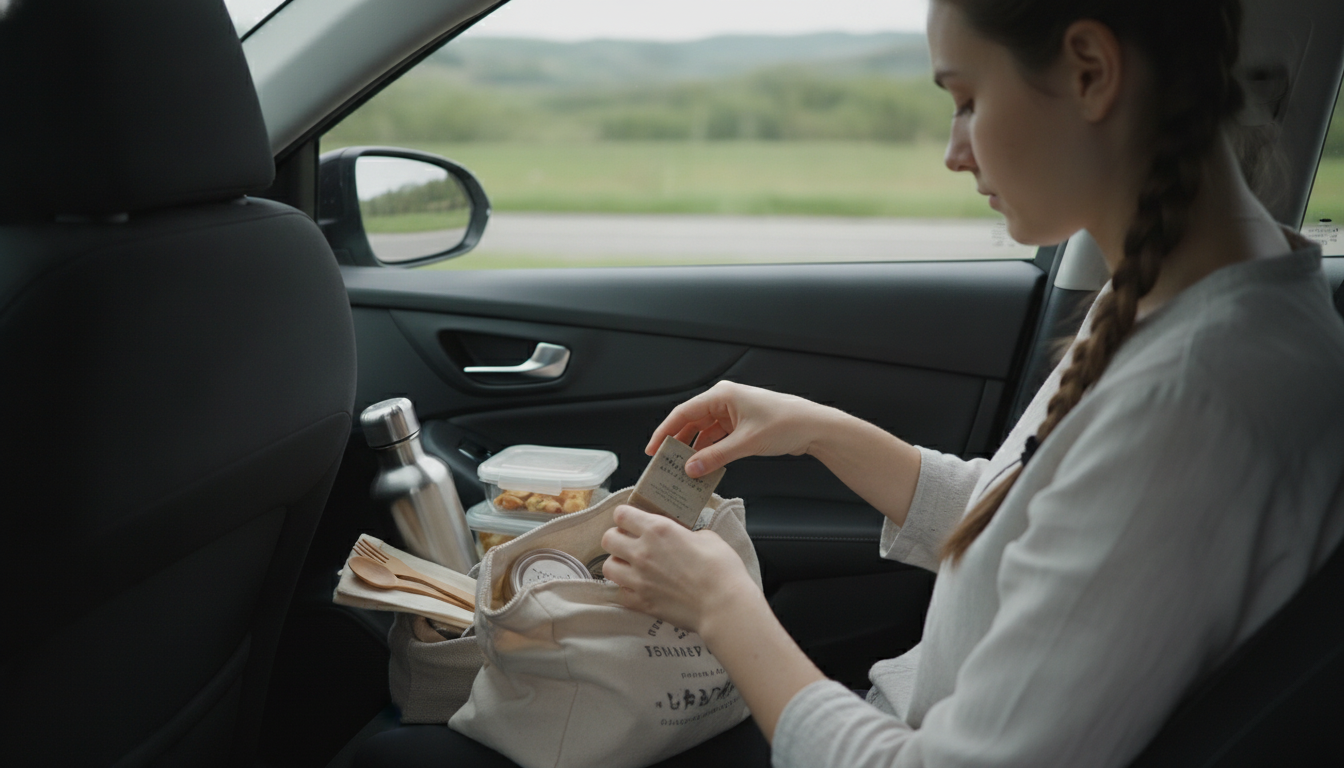
- Packing reusables to prevent single-use items: a bottle, cup, cutlery, bag, and food container can replace a surprising amount of “travel trash.”
- Staying in places that reduce waste and energy use: reuse towels/linens, keep AC/heat reasonable, and turn lights off when leaving.
- Supporting local businesses and respecting wildlife: spend at local markets, follow protected-area rules, and observe animals from a distance (leave no trace).
- Managing waste responsibly: refill, repair, recycle correctly, and avoid contaminating recycling streams (when in doubt, hold items and sort later).
For big-picture guidance on sustainable tourism, see the UN Environment Programme’s sustainable tourism resources. For everyday waste reduction basics, the U.S. EPA’s Reduce, Reuse, Recycle hub is a practical refresher.
Before you pack: set up a low-waste trip plan
Planning is the hidden “zero-waste tool.” A few minutes of prep can prevent emergency buys (and extra packaging) later.
- Check local refill options: look up water refill stations, grocery stores, pharmacies, and bulk shops near where you’ll stay.
- Pick lodging that supports simple meals: even a mini-fridge or breakfast access can reduce packaged snacks and disposable takeout containers.
- Plan laundry: quick-dry clothing plus a small laundry kit cuts overpacking and keeps you from buying extras mid-trip.
- Go paperless: download boarding passes, tickets, and offline maps; store copies in a password manager to avoid printing.
- Create a “borrow-first” list: ask friends/family or use rental services for rarely used gear (specialty jackets, trekking poles, formalwear).
Zero-waste packing basics: reusables that replace the most trash
If you only bring a few reusables, prioritize what replaces the most frequent disposable items: drinks, meals/snacks, and shopping bags.
- Hydration: a refillable bottle is the daily essential; add a compact filter for destinations with questionable tap water.
- Food: a reusable container, light cutlery set, collapsible cup, and washable snack pouch cover leftovers, street food, and transit snacks.
- Shopping: one foldable tote plus a produce bag handles markets and quick grocery runs without plastic bags.
- Comfort: a handkerchief/bandana works as napkin, sweat rag, light towel, or dust cover; add a tiny repair kit (safety pins, mini sewing kit).
- Tech: rechargeable batteries (where applicable) and a multi-port charger reduce the urge to buy extra accessories on the road.
Low-waste toiletries and hygiene that still feel easy
A low-waste toiletry kit can stay comfortable and familiar—just streamlined. Start with one or two changes, then build a system you’ll actually maintain.
- Swap liquids for solids: bar soap and shampoo bars reduce plastic and simplify airport liquid rules.
- Refill what must stay liquid: use refillable containers for sunscreen, moisturizer, or any product you prefer in liquid form.
- Pack laundry concentrate: detergent sheets or a small concentrated option lets you wash essentials without single-use packets.
- Period care: a reusable cup/disc or period underwear (based on comfort and washing access) can reduce waste significantly.
- Dental basics: bring a toothbrush travel case, floss in minimal packaging, and consider toothpaste tablets if that fits your routine.
Capsule wardrobe approach: lighter luggage, fewer impulse buys
A capsule wardrobe supports sustainability because it reduces volume, encourages re-wearing, and makes laundry realistic—so fewer “just in case” purchases happen during the trip.
- Pick a color palette: choose 2–3 core colors so nearly everything mixes and matches; prioritize layers over bulky pieces.
- Choose durable fabrics: avoid “one-trip” items; bring clothing you’ll re-wear at home, and favor repairable construction.
- Go quick-dry: quick-dry tops and base layers wash easily and reduce how many items you need overall.
- Simplify shoes: one versatile walking shoe plus one optional pair for a specific need (hikes, formal events) is often enough.
- Weather protection: a compact rain layer plus sun basics (hat, sunglasses) prevents pricey replacement buys.
Eco-friendly traveler checklist (core packing set)
| Category | Bring | Why it helps | Notes |
|---|---|---|---|
| Hydration | Refillable bottle | Cuts single-use plastic bottles | Add filter if needed |
| Food | Container + cutlery | Reduces takeout waste | Works for leftovers and snacks |
| Shopping | Foldable tote + produce bag | Avoids plastic bags | Great for markets |
| Hygiene | Bar soap/shampoo bar | Less plastic, fewer leaks | Use a draining soap case |
| Laundry | Detergent sheets + clothesline | Fewer clothes, fewer purchases | Quick-dry items help |
| Waste | Mini trash bag | Keeps litter contained | Useful on hikes/transit |
On-the-go habits that make the biggest difference
Packing is step one; the real impact comes from everyday decisions while you’re moving through airports, stations, hotels, and neighborhoods.
For outdoor areas, align your habits with the Leave No Trace 7 Principles—they translate well to beaches, parks, trails, and scenic overlooks worldwide.
Printable checklist option for faster packing
Recommended digital downloads for your next trip
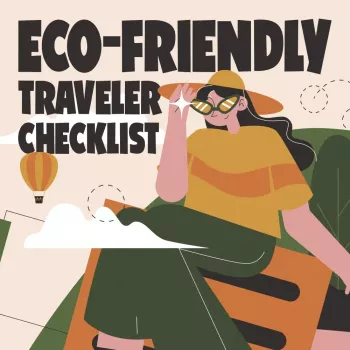
- Eco-Friendly Traveler Checklist (digital download) — a ready-to-use packing list focused on reusables, low-waste toiletries, and responsible travel habits.
- The Smart Traveler’s Guide to Global Etiquette — helpful cultural tips that support more respectful, lower-impact travel interactions.
FAQ
What is an example of eco-friendly travel?
An example is taking public transit instead of rideshares, carrying a refillable bottle and reusable cutlery, staying somewhere that supports towel/linen reuse, shopping at local markets with a tote, and sorting waste properly without contaminating recycling bins.









Leave a comment