Mindful Clarity Printable Journal for Calm Daily Focus
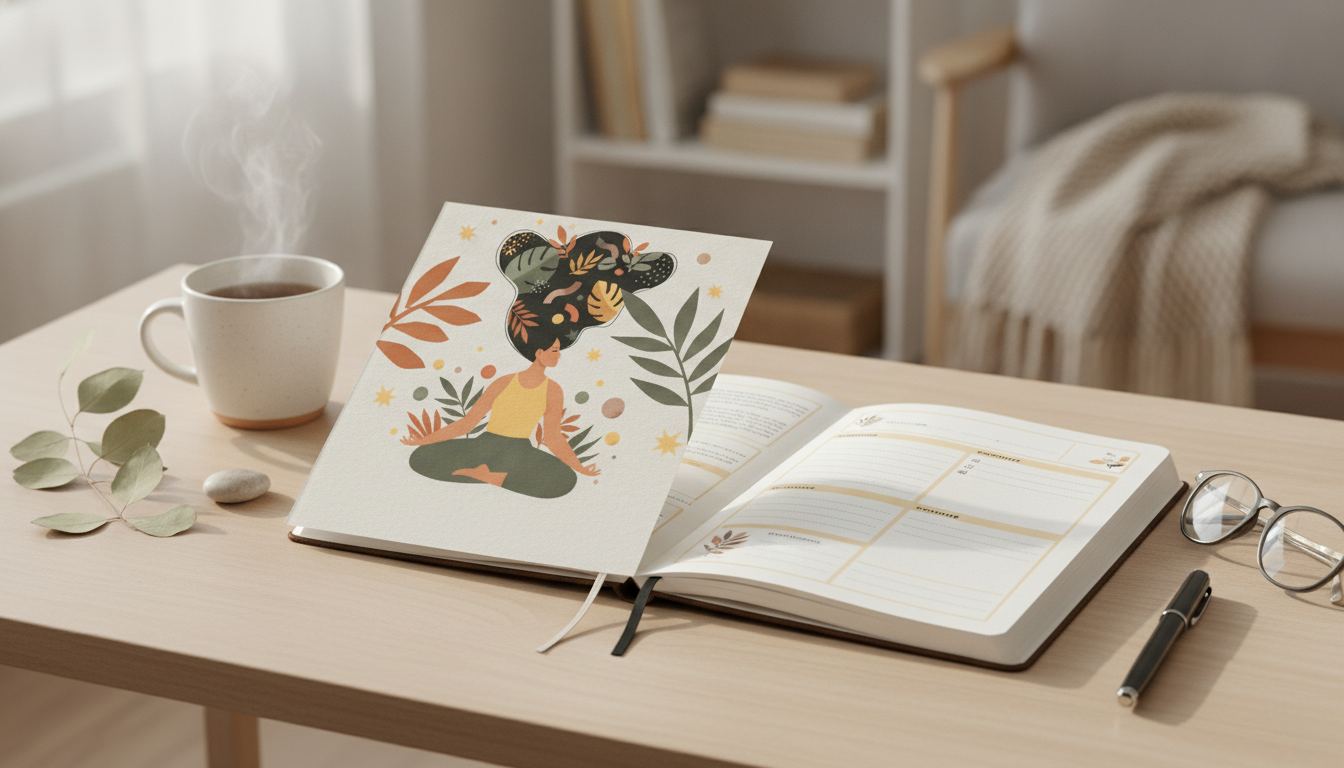
Mindful Clarity: A Printable Journal for Daily Mindfulness, Gratitude, and Reflection
A simple daily journaling routine can support steadier focus, calmer decision-making, and more intentional days. Mindful Clarity is a printable journal built to make that routine easy to start and easy to keep—combining guided mindfulness check-ins, gratitude exercises, and reflective quotes that encourage healthier self-talk and perspective. Because it’s printable, it can live wherever you’ll actually use it: a home binder, a clipboard by the kettle, or a single page on your desk for a quick reset.
What’s Inside the Mindful Clarity Journal
This journal keeps the structure steady while leaving your answers flexible. On days you have two minutes, you can still complete it. On days you have twenty, it can hold a deeper reflection without needing a separate notebook.
- Daily mindfulness check-ins that help notice thoughts, emotions, and body cues without judgment
- Gratitude exercises that shift attention toward what’s supportive, stable, and meaningful
- Reflective quotes that act as gentle reminders and conversation-starters for the page
- Printable format that works for home binders, clipboards, or single-sheet daily use
- A structure that supports short sessions on busy days and longer reflection when time allows
If you want to start with a ready-to-print set of pages, see Mindful Clarity: Journal & Prompts (Printable Journal).
A 10-Minute Daily Flow That Feels Manageable
Many people avoid journaling because it feels like an all-or-nothing project. A short, repeatable flow lowers the pressure and helps your brain learn: “I can return to myself quickly.” Aim for consistency, not perfection—especially at the beginning.
- Minute 1–2: Settle in with one slow breath cycle; note the main feeling present right now
- Minute 3–4: Name the day’s mental weather (clear, scattered, heavy, energized) and what might be influencing it
- Minute 5–6: Write 1–3 gratitude items, keeping them specific (a conversation, a small win, a sensory comfort)
- Minute 7–9: Answer one reflection question honestly, using short sentences if needed
- Minute 10: Choose one kind, realistic intention for the next few hours
For an extra-simple rule that keeps this doable: write like you’re leaving yourself a helpful note, not like you’re trying to produce perfect insights.
7-Day Starter Plan (Print, Fill, Repeat)
Use this first week as a “reset,” then repeat the days that felt most supportive. Keep responses brief; consistency matters more than length. If a question feels too big, answer it in one sentence and move on.
| Day | Mindfulness check-in | Gratitude focus | Reflection prompt | Micro-intention |
|---|---|---|---|---|
| Day 1 | What am I noticing in my body right now? | One thing that supported me today | What do I need more of this week? | One small supportive action |
| Day 2 | What thought keeps returning? | A person I appreciate and why | What am I avoiding—and what’s the first step? | A 5-minute start |
| Day 3 | Where is my attention pulled? | Something ordinary that went well | What boundary would help me feel calmer? | One clear “yes/no” |
| Day 4 | What emotion is asking to be heard? | A strength I used recently | What story am I telling myself? | One kinder reframe |
| Day 5 | What do I need to release today? | A comfort I can create | What matters most in the next 24 hours? | One priority decision |
| Day 6 | What feels heavy—and what feels light? | A moment of connection | What have I learned about myself lately? | One supportive habit cue |
| Day 7 | What am I proud of noticing? | A win (small counts) | What do I want to carry forward? | One next-week anchor |
How Gratitude Exercises Strengthen Perspective (Without Forcing Positivity)
Gratitude is most effective when it stays real. Instead of trying to “be positive,” you’re training attention to recognize what’s steady or supportive—even while acknowledging what’s hard. Research and clinical resources commonly highlight gratitude as a practice linked with well-being when approached consistently and thoughtfully (see American Psychological Association (APA) — Gratitude and Harvard Health Publishing — Gratitude and well-being).
- Gratitude works best when it is specific and grounded (who/what/when), not vague or performative
- Pairing gratitude with honesty helps avoid emotional bypassing; difficult feelings can exist alongside appreciation
- A helpful pattern: “I’m grateful for ___ because ___; it helped me ___”
- On harder days, use “neutral gratitude” (a warm drink, a working phone charger, a safe place to sit)
If you’re building a mindfulness routine alongside journaling, it can also help to learn what mindfulness practices are considered effective and safe. The NCCIH overview of meditation and mindfulness is a practical reference.
Using Reflective Quotes as a Tool (Not a Rule)
Quotes can be supportive when they’re treated as invitations rather than instructions. The goal isn’t to “agree” with every line—it’s to use the quote to notice what’s happening inside you today.
Who This Printable Journal Fits Best
Journaling can also support other life goals that benefit from clarity and intentional communication. If you’re working on how you present yourself and connect with others, Online-Dating Profile Blueprint pairs well with a reflection practice because it encourages thoughtful self-description and values-based choices.
Practical Printing and Use Tips
For travel-heavy seasons, keeping a small stack of printed pages in your bag can help you stay regulated and respectful in unfamiliar settings. If you’re preparing for international trips, The Smart Traveler’s Guide to Global Etiquette is a practical companion to mindful decision-making on the road.
FAQ
What is a clarity journal?
A clarity journal is a structured way to write that helps organize thoughts, identify emotions and priorities, and make decisions with less mental clutter. It typically uses repeatable check-ins, short prompts, and reflection space so you can notice patterns and choose next steps more intentionally.






Leave a comment