Mastery Learning Examples: 5 Real-World Scenarios
What are examples of mastery learning?
Mastery learning means progressing only after demonstrating strong understanding of a skill or concept. Instead of moving on because the calendar says so, you move on because you can reliably perform the task. Here are practical examples across school, work, and everyday learning.
Math unit check-ins before advancing
A student practices solving linear equations, takes a short quiz, and must score (for example) 90% or higher. If they miss items on distributing or combining like terms, they get targeted practice and a quick re-check. Only after they can solve the full set accurately do they start the next unit, such as systems of equations.
Language learning with “can-do” performance goals
Instead of “finish chapter 3,” the goal is “hold a two-minute conversation about daily routines with correct present-tense verbs.” Learners drill the specific verb forms, record themselves speaking, get corrections, and repeat until they can perform the task smoothly before adding past tense or more advanced vocabulary.
Music practice using tempo and accuracy thresholds
A musician learns a passage slowly, aiming for clean notes and rhythm at 60 BPM. When they can play it three times in a row without mistakes, they increase to 70 BPM, then 80 BPM, and so on. Speed is earned through consistent accuracy, not rushed repetition.
Job training with skill sign-offs
In a customer support role, a trainee must demonstrate they can handle refunds, shipping changes, and escalations using the correct scripts and tools. They review mistakes from monitored calls, practice the weak scenario, and retest until they meet the performance standard before taking live calls independently.
Studying with focused cycles and re-tests
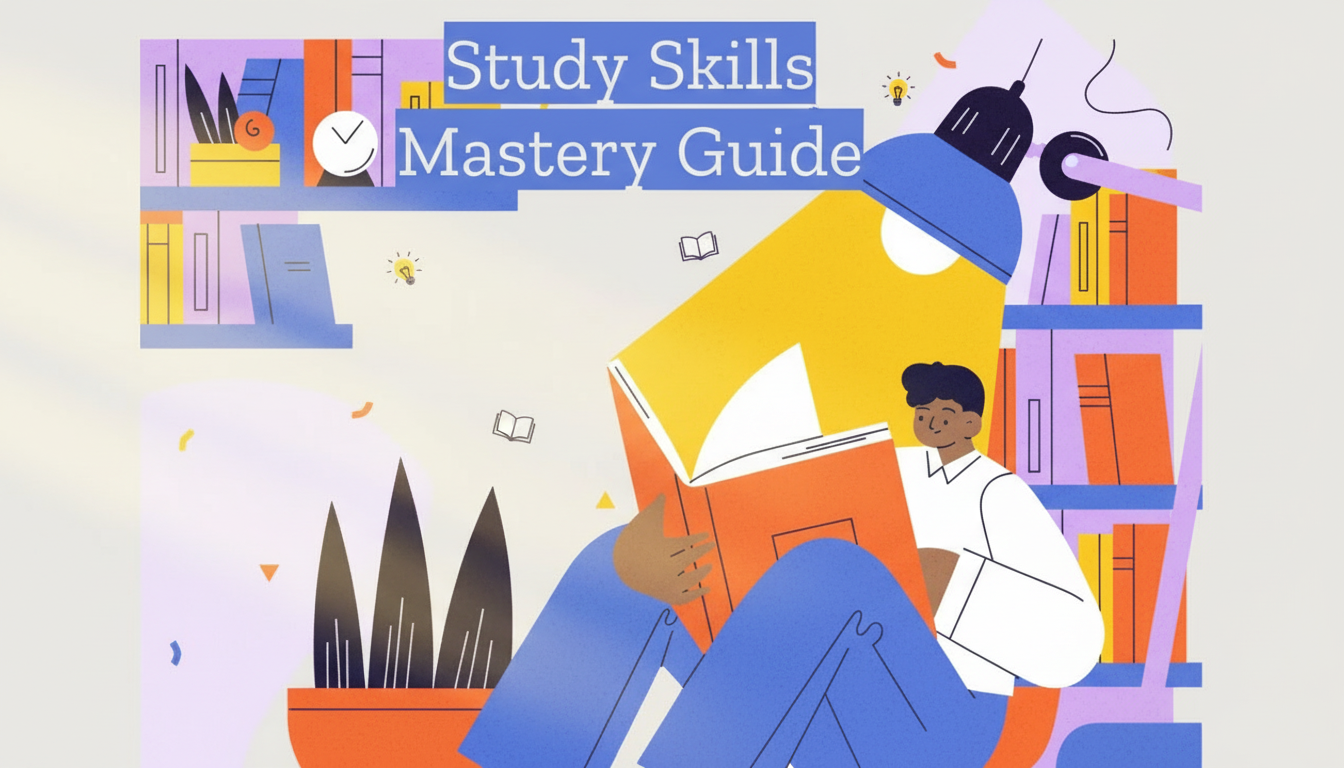
A common mastery approach is to study one micro-topic (like photosynthesis steps), self-test from memory, fix the specific gaps, and test again later. For a structured way to combine focus, memory techniques, and results-based checkpoints, see this guide: mastery system for studying.
FAQ
How is mastery learning different from traditional pacing?
Traditional pacing moves everyone forward at the same time, even if understanding is uneven. Mastery learning adjusts time and practice so learners advance only after meeting a clear proficiency standard.











Leave a comment