Break Up Tension Meaning + Fast Ways to Reset Stress

What does break up tension mean?
“Break up tension” means to interrupt a build-up of stress, discomfort, or awkwardness so it doesn’t keep intensifying. It can apply to your body (like tight shoulders or a clenched jaw), your mind (racing thoughts), or a social moment (a room feeling stiff or uneasy). The goal is a quick shift—small actions that change the momentum from “stuck” to “looser” and more manageable.
What it looks like in everyday life
In a conversation, breaking up tension might mean changing the topic, using a light comment to reset the mood, or taking a short pause to let everyone breathe. In your own body, it could be standing up after sitting too long, rolling your neck, or shaking out your hands. In a stressful task, it can be stepping away for two minutes so your nervous system gets a chance to settle.
Why tension builds up
Tension often accumulates when the body stays in “ready mode” for too long—tight muscles, shallow breathing, and mental pressure all feeding each other. Awkward or high-stakes situations can also create tension because people monitor themselves more, speak less freely, or anticipate conflict. Breaking it up works because even a brief reset can reduce the sense of threat and help you regain a calmer baseline.
Simple ways to break up tension fast
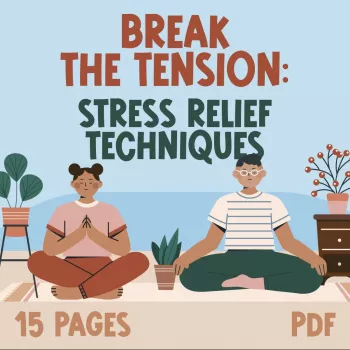
Quick, practical options include taking a slow exhale, unclenching your jaw, dropping your shoulders, or doing a short stretch. A short walk, a sip of water, or a deliberate “reset” breath can also disrupt the loop. For a focused set of fast techniques you can use anytime, visit this guide on breaking the tension with 2-minute stress relief techniques.
For Break Up Tension Meaning + Fast Ways to Reset Stress, the best answer depends on fit, material, care instructions, and how the product will be used day to day.
FAQ
How do you release tension in 2 minutes?
Try one cycle of slow breathing with longer exhales, then relax your shoulders and jaw while gently stretching your neck or hands. The combination of breath + movement often creates a noticeable drop in tightness quickly.









Leave a comment